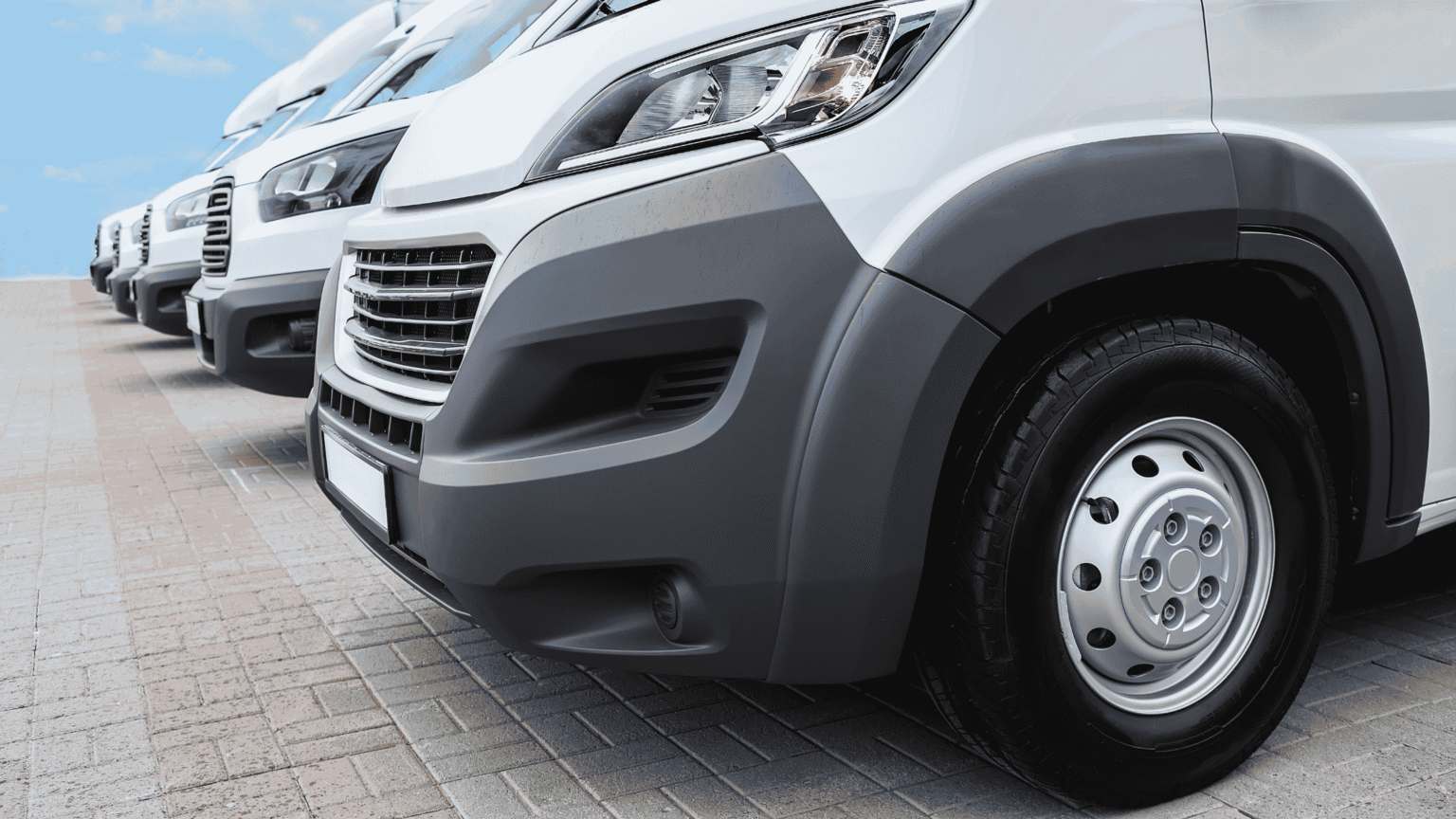
For years, UK businesses aiming to clean up their transport fleets have run into a frustrating, unintended bureaucratic wall. Because heavy lithium-ion batteries add substantial weight, mid-sized electric delivery vans quickly exceed the standard 3.5-tonne (3.5t) light commercial vehicle limit. The moment a zero-emission van tipped the scales between 3.5t and 4.25 tonnes, it fell into a regulatory “no man’s land”, leaving it subject to the same stringent, complex rules as HGVs.
That is all about to change; the government has stepped in to fix this structural anomaly. It has been officially announced that from June 1st 2026, electric vans weighing between 3.5t and 4.25t will transition into the standard Class 7 MOT testing regime.
This policy change represents a breakthrough for the logistics and fleet sectors. By dismantling the outdated HGV framework for these cleaner vehicles, the government is removing an operational roadblock and offering a powerful financial incentive for businesses to ditch diesel.
How Green Vans Got Trapped as HGVs
To understand why this shift is such a big deal, you have to look at how vehicle weight dictates UK law. Historically, any commercial vehicle over 3.5t was classified as an HGV. When manufacturers began building electric alternatives to standard transit vans, they realised the large battery packs required to give these vehicles practical driving ranges added hundreds of kilograms of weight.
To prevent businesses from losing cargo capacity, the government previously introduced a 4.25-tonne exemption. This allowed anyone with a standard driving licence to operate these heavier electric vans without needing a specialised HGV licence.
However, the compliance and maintenance rules did not mirror that flexibility. Despite being identical in physical size and purpose to their internal combustion engine (ICE) counterparts, these 4.25t electric vans were still legally tied to heavy vehicle testing procedures, annual HGV-style testing from year one, and rigid tracking requirements.
What Changes From June?
In short, the newly announced regulatory package completely aligns the operational framework of 3.5t to 4.25t zero-emission vans with standard light commercial vehicles.
| Operational Element | Old HGV Framework | New Class 7 Framework |
| First MOT Due Date | 1 year after registration | 3 years after registration |
| Testing Location | Authorised Testing Facilities (ATFs) | Standard Class 7 MOT garages |
| Tachograph Requirements | Mandatory tracking & distance limits | Scrapped for domestic operations |
| Drivers’ Hours Rules | Strict, complex assimilated EU rules | Simpler GB Domestic Drivers’ Hours |
| Tyre Tread Minimum | Heavy commercial standards | Aligned with standard Class 7 vehicles |
What are the benefits?
Whilst the first and most obvious benefit to this would be the financial savings, there are many benefits that businesses are going to have.
- Financial Impact: According to the Department for Transport, moving to Class 7 testing will reduce standard MOT testing fees by up to 60% compared to the heavy vehicle testing regime, while dramatically decreasing vehicle downtime.
- Time Saving: The elimination of annual testing for brand-new vehicles will mean there is less admin time required for these vehicles from a maintenance perspective.
- Standard Procedure: Because these vans can now use standard Class 7 MOT garages rather than specialised, often overbooked heavy-vehicle ATFs, businesses will save days of operational downtime.
- Environmental: Now that these changes have been made, it will likely mean a large number of businesses will make the switch to EV for their fleet and go towards their ESG goals.
Are you ready to make the change?
To hone in further on that last point, for businesses that have been hesitating to swap out their diesel fleets due to compliance fears, the path is now completely clear. Running a heavier electric van will no longer feel like managing a logistics nightmare; it will feel exactly like running a standard van, just cleaner and cheaper. With the 1 June 2026 deadline locked in, operators can finally invest in heavier electric commercial vehicles with absolute regulatory certainty and if you’re ready to make this change then get in touch with us today!