If you run a local business in the UK, your morning routine probably involves checking stock, reviewing invoices, and making sure the day’s routes are set. However, a map of the UK’s urban centres reveals a growing network of financial boundaries.
From London’s vast Ultra Low Emission Zone (ULEZ) to Clean Air Zones (CAZ) in Birmingham, Bristol, Sheffield, Newcastle, and Bradford, the rules of urban driving have fundamentally shifted. What started as a localised push for public health has evolved into a nationwide standard. For local businesses relying on older commercial vehicles, moving goods into town is no longer just about traffic; it is a costly logistical puzzle.
What are the Clean Air Zones and Ultra Low Emission Zones?
In short, Clean Air Zones (CAZs) and Ultra Low Emission Zones (ULEZs) are designated city areas where drivers must pay a daily fee if their vehicle does not meet strict emissions standards. These zones are designed to reduce toxic air pollution and improve public health.
What does this mean?
The math behind these zones is simple but unforgiving. The rules target older, higher-emission vehicles: generally, petrol vehicles older than Euro 4 (pre-2006) and diesel vehicles older than Euro 6 (pre-September 2015).
If a commercial vehicle fails to meet these criteria, entering an active zone triggers an automatic daily fee.
- Light Vans and Transporters: Daily charges range from £8 in Birmingham to £12.50 in London.
- Heavy Goods Vehicles (HGVs): Daily charges scale rapidly, reaching up to £100 per day in cities like Bath and Bristol.
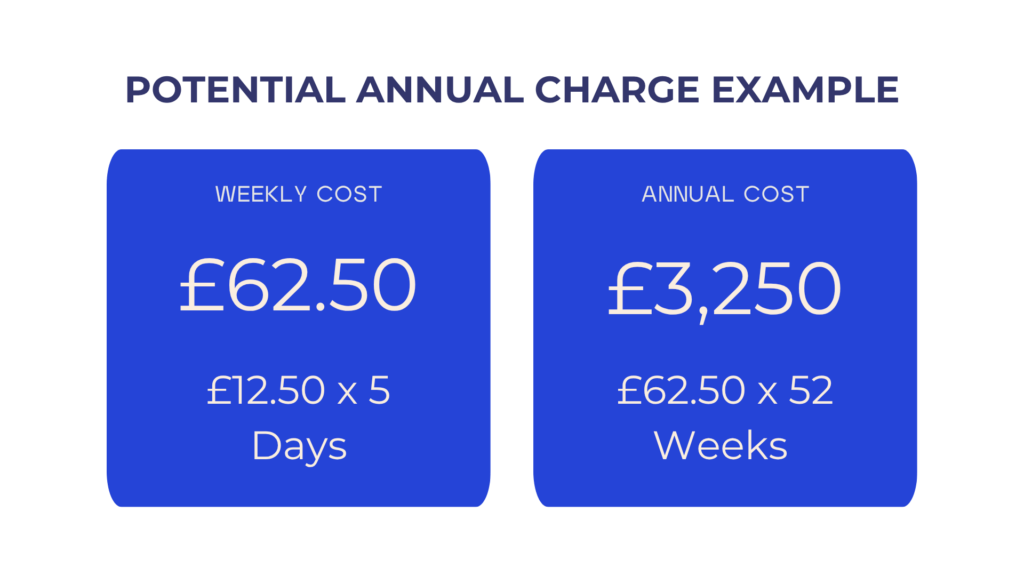
When multi-city boundaries are involved, these expenses compound. Missing a payment window by accident introduces penalty charge notices (PCNs) that often range from £120 to £180 per infraction. For a small business operating on tight margins, a single non-compliant vehicle can quickly become a significant financial liability.
What’s the impact on businesses?
The logistics and delivery sector faces the most direct pressure from these tightening boundaries. The traditional “hub-and-spoke” delivery model, where a central warehouse supplies smaller urban hubs, requires predictable, repeatable routes. Introducing varied municipal fees disrupts this predictability.
The changes mean that businesses face three main issues:
1. The Cost Allocation Problem
Couriers and independent hauliers must decide whether to absorb these clean air fees or pass them along to the customer. Passing the cost down can damage competitive pricing, while absorbing it directly reduces profitability.
2. Route Fragmentation
To manage costs, fleet managers are forced to split their logistics. Compliant, newer vehicles are prioritised for inner-city drop-offs, while older units are restricted to regional, non-charging roads. This division reduces fleet flexibility and increases time spent planning daily assignments.
3. Delays and Missed Windows
The admin burden of managing varying entry fees across different city systems increases the risk of operational errors. Subcontracted couriers may refuse jobs bound for strict charging zones if the compensation does not account for the fee, leading to delayed shipments and strained client relationships.
The Long-Term Operational Shift
As we’ve said, the expansion of these zones leaves business operators with few options: pay the ongoing daily fees, upgrade the company fleet, or adjust their service areas.
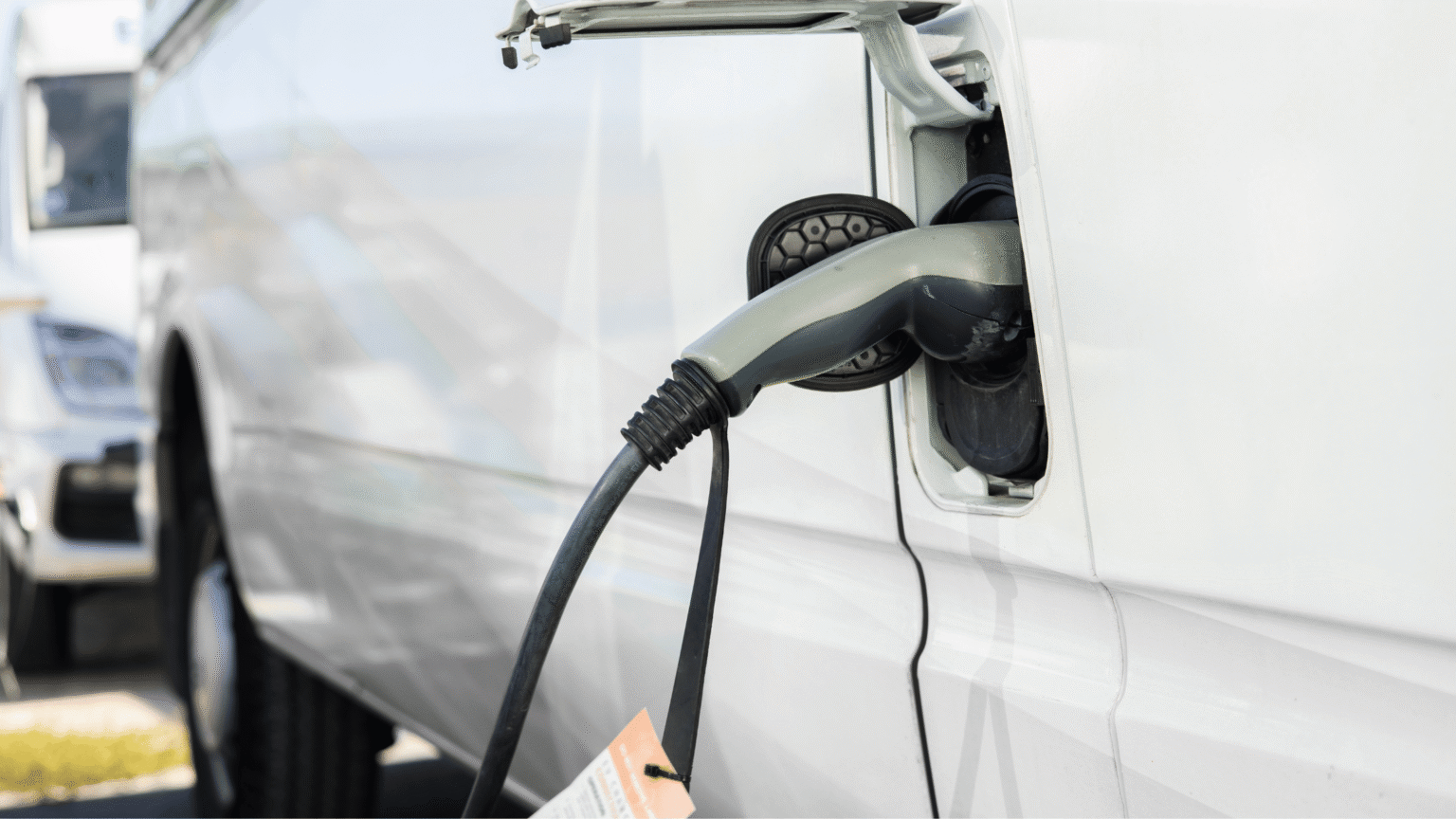
While upgrading to compliant fully electric vans avoids the daily charges entirely, capital investment can be difficult to secure. Early financial support packages and council-backed scrappage schemes have largely wound down across the country, meaning fleet modernisation must now be funded directly from a company’s balance sheet. Furthermore, fleet operators must navigate these capital upgrades alongside a scheduled phased return to standard fuel duty rates, which adds further pressure to per-mile operating margins.
How can we help?
Vavoom’s Managing Director, Stuart Adam, says “The biggest cost of Clean Air Zones isn’t always the daily charge; it’s the operational complexity they introduce. Once businesses begin managing multiple vehicle types, different charging zones and evolving compliance requirements, fleet strategy becomes far more important than simply replacing vehicles. Businesses that embrace that shift now will be better placed to control costs and remain competitive as more cities introduce clean air measures.”
Get in touch with Vavoom and we can support you through these changes.