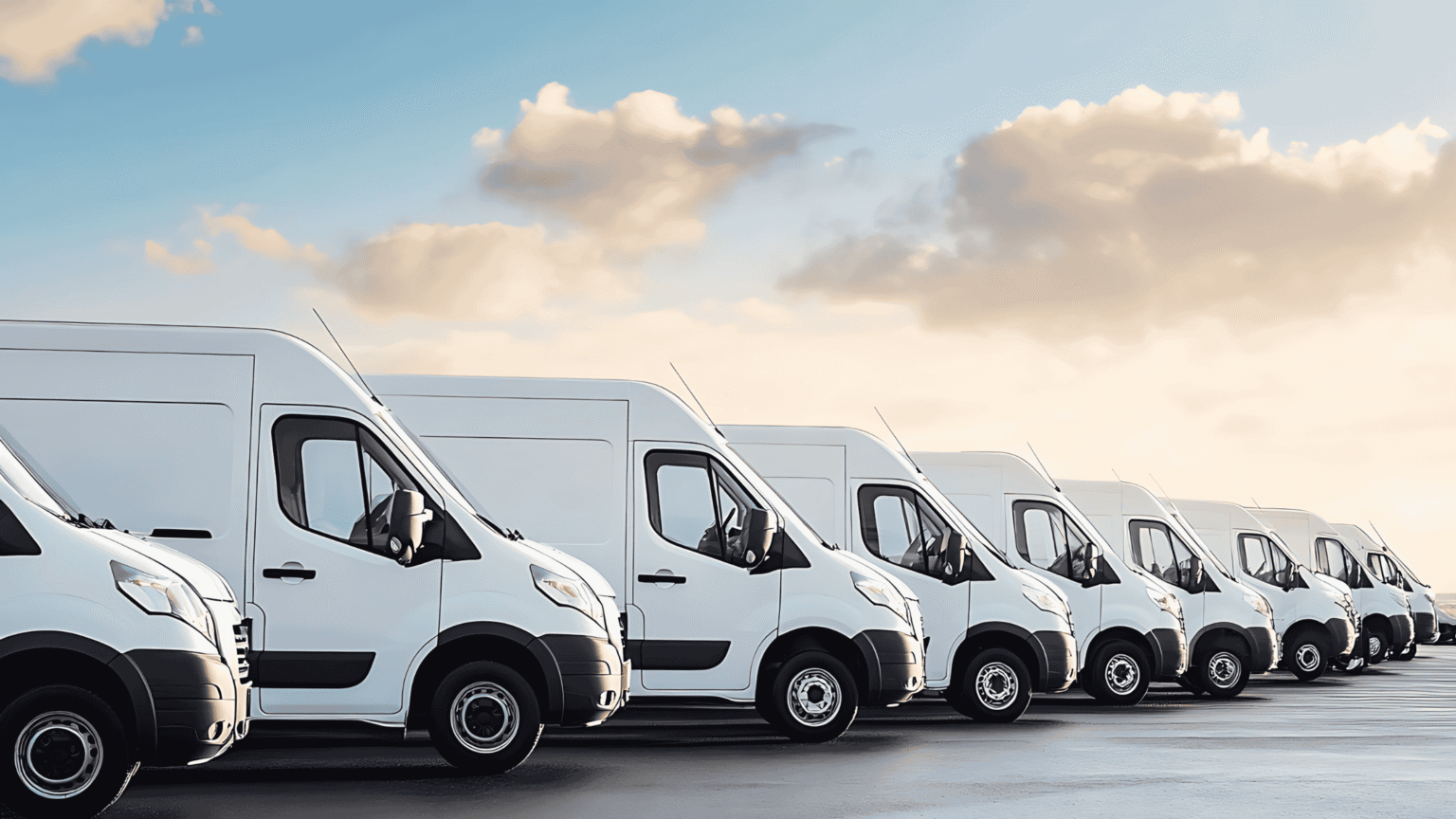
Whether you need a van for personal or business use, it can be difficult to figure out what is the right option for you. Essentially, van leasing (or contract hire) is where you hire a van long term (similar to a long term rental) that allows a business or individual to use a van for a set period in exchange for a fixed monthly fee.
How does van leasing work?
- Choose Your Van & Terms: Select a van and agree on contract length (between 2-5 years) and annual mileage allowance (e.g., 10,000 miles/year).
- Initial Payment: Pay an upfront amount, often a multiple of the monthly payment (e.g., 3+35 means 3 months’ payment upfront, then 35 monthly payments)
- Contracts: Sign the contract agreeing to what you have discussed with your broker.
- Delivery: The vehicle will be delivered to you by the dealership partner.
- Monthly Payments: Make fixed monthly payments for the duration of the contract, covering depreciation and usage.
- End of Lease:
- Return: Hand the van back to the leasing company, with an inspection for damage or excess mileage.
- Upgrade: Start a new lease on a brand-new van.
- Extend: Sometimes, you can extend the lease.
What are the advantages of leasing a van?
Leasing a van offers several strategic advantages, such as better management of cash flow and a potential reduction in tax liability. As of 2026, new tax rules in the UK have made leasing even more competitive against buying.
The primary benefits are broken down below:
Tax Advantages
- New Capital Allowances: Starting January 1, 2026, leased vans now qualify for a 40% First-Year Allowance (FYA). This narrows the tax gap between leasing and buying, as leasing companies can pass these tax savings on to you through lower monthly rates.
- VAT Reclaim: If you are VAT-registered, you can typically reclaim up to 100% of the VAT on your monthly payments.
- Deductible Expenses: 100% of your monthly lease payments can usually be deducted from your taxable profits, reducing your Corporation Tax or Income Tax bill.
Improved Cash Flow
- Low Upfront Costs: Unlike buying, which requires a large capital outlay, leasing usually only requires a small “initial rental” (often 3 or 6 months’ worth of payments). This keeps your cash in the business for other investments.
- Fixed Monthly Budgeting: Payments are fixed for the duration of the contract, meaning you aren’t vulnerable to fluctuating interest rates or unexpected costs.
Protection from Depreciation
- No Resale Risk: New vans can lose up to 20–30% of their value the moment they leave the forecourt. With a lease, you never own the vehicle, so the risk of it losing value (depreciation) stays with the finance company.
- Easy Upgrades: When the lease ends, you simply hand the keys back. This allows you to upgrade to the latest model as well as growing your vehicle as your business grows.
Reduced Maintenance & Admin
- Warranty Coverage: If you lease a brand-new van, it will be covered by the manufacturer’s warranty for most (or all) of the lease term.
- Maintenance Packages: Most leases offer optional maintenance that cover servicing, MOTs, and even tires for a small extra monthly fee.
What are the disadvantages of leasing a van?
While van leasing can have its positives, there can also be some drawbacks for some users:
No Ownership or Equity
- Zero Resale Value: You don’t get any money back to put toward your next vehicle.
- No Long-term Asset: Once the contract ends, your payments stop, but so does your access to the van. You are essentially back at square one.
Mileage Limits
- Excess Mileage Charges: If you go over your pre-agreed mileage, you can be charged a “pence-per-mile” fee. Depending on the provider, depends on what this cost would be.
“Fair Wear and Tear” Penalties
- Damage Costs: While minor scuffs are usually fine, larger dents, upholstery rips, or cracked mirrors can result in recharge fees.
Early Termination Fees
- Cancellation Costs: There can be an additional cost should you need to come out of your lease early from the provider.
- Credit Impact: Defaulting on a lease or struggling with payments can severely damage your business’s credit score, making future financing much harder.
One way to mitigate the drawbacks of a van lease is choosing a lease deal that also allows you to factor in extra cover, helping you budget more effectively. By agreeing on these extras at the beginning of your lease, you know exactly what cover you have from the offset.
How Can VAVOOM help?
Being a licensed broker, VAVOOM has the ability to offer as much selection as possible, so you can choose a deal which suits you. With a range of fuel types including electric and a range of brands including Ford, Toyota, Citroen, Mercedes and Volkswagen. If you are looking to get a new van or your current contract is coming to an end get in touch today and see how we can help.