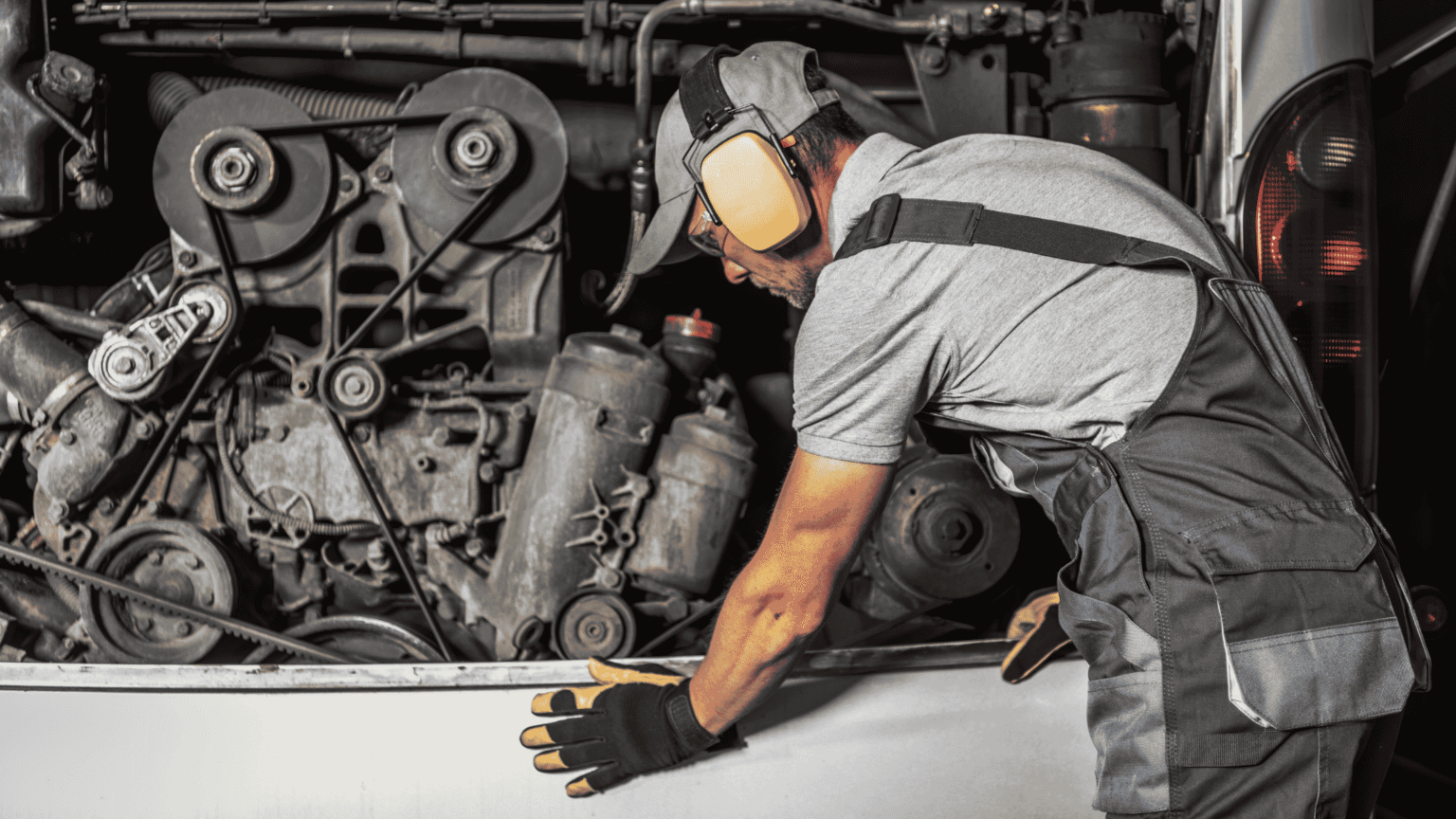
Fleet maintenance management is a very complex part of fleet management, with numerous factors that go into it. In short, it is the systematic process of planning, coordinating, and executing the upkeep, repair, and inspection of company vehicles to ensure maximum safety and reliability. Ensuring that there is minimum downtime and maximum efficiency to the business, whether they be company cars for employees or vehicles for business operations, all vehicles need to be maintained to an appropriate and legal standard.
Not only is it a necessary part of the job, but it is also beneficial to the business due to rising fuel costs and stricter environmental regulations. You are ensuring that you are not only following the law but also saving money by ensuring that your vehicles are as efficient as possible.
What’s Included in Maintenance Management
As mentioned above, maintenance management is a complex and in-depth category of fleet management that can differ from business to business. Below are some subcategories that can be included in a business fleet maintenance management.
Preventative Maintenance – Proactively scheduling services, tyre checks and replacements, and component replacement, to minimise downtime but also keep the vehicle roadworthy and safe.
Inspections – checking the interior as well as the exterior of the vehicle to ensure there is no damage or hazards to the driver.
Repairs & Diagnostics – Opposite to the preventative maintenance, usually coming into play when there is an issue with the vehicle, such as corrective maintenance & emergency repairs (after breakdowns), and Engine Diagnostics (when there are faults to an engine or dashboard warning lights).
Technology & Data Management – Fleet Maintenance Software, Telematics & GPS Tracking, and Digital Reporting (DVIR), ensuring records are kept up to date as well as drivers being compliant with the law on driving time limits, etc.
Administrative & Compliance Management – While administrative tasks are often overlooked, they form the backbone of a compliant fleet. It is necessary to have excellent Record-Keeping, Compliance Tracking, and Warranty Management, and have proof of all if ever requested by regulators.
What’s the catch?
On paper, it sounds straightforward. However, when managing a fleet of 100 or 500 vehicles, the volume of insurance renewals, compliance checks, and maintenance tasks becomes time-intensive. For those in dual roles, such as a combined Fleet and HR Manager, this can become a significant burden. Despite these challenges, effective management leads to higher resale values and improved fuel economy.
Whilst this might seem like a lot of work, there are a lot of benefits to maintenance management along with the benefits of fleet management overall, including better and more efficient fleets that not only save you time but also money. You also have the benefits of higher resale value, improved fuel economy, and driver retention.
If you are looking to improve your fleet or are interested in knowing more and being trained on the maintenance side of fleet management, then don’t hesitate to get in touch. We can complete a full audit of your fleet to see where your shortfalls are coming from, as well as proposed maintenance plans to help you through the next steps to a safer more efficient fleet.