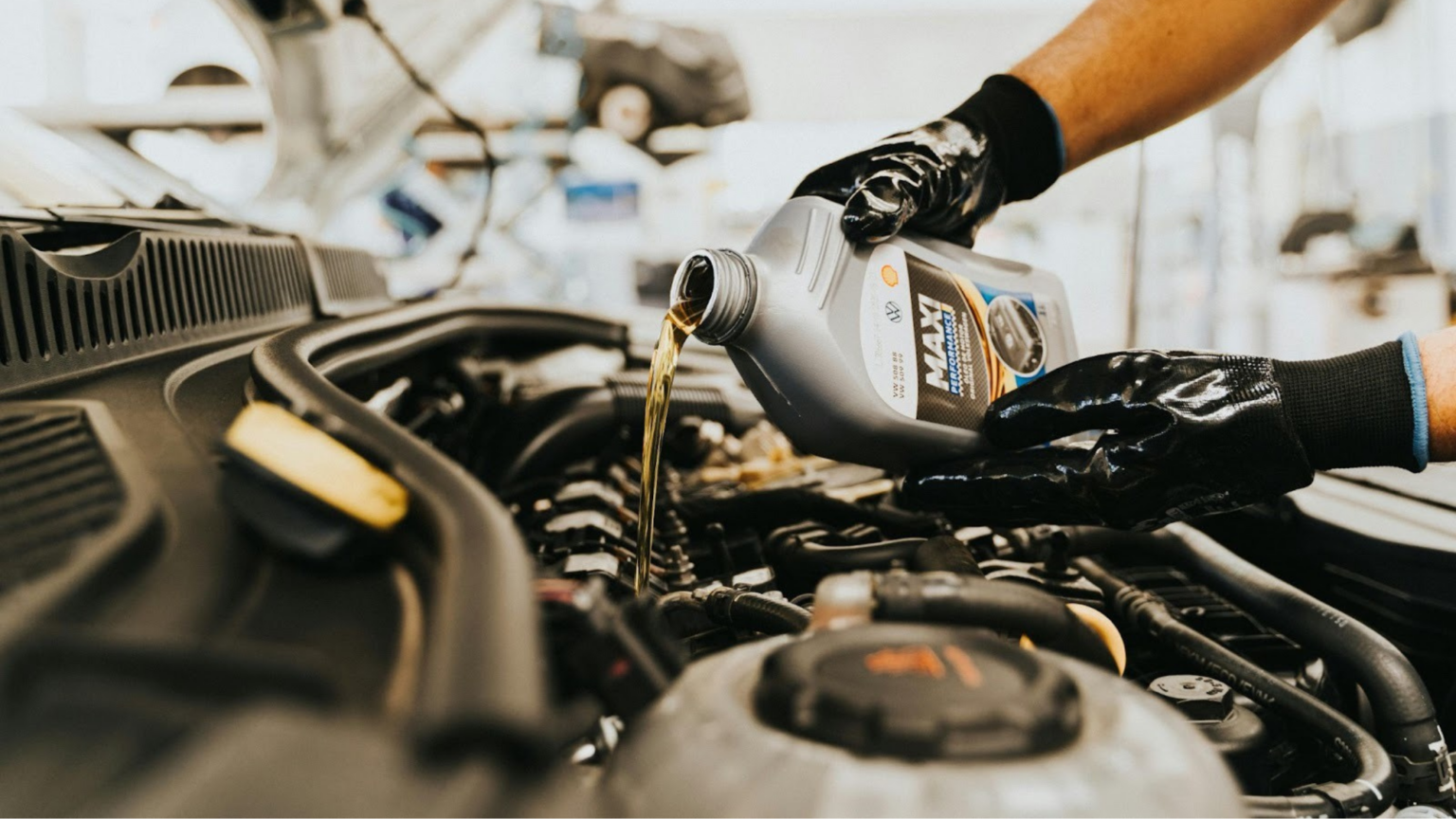
Vehicle maintenance is essential to keep your vehicle in a safe driving condition, not only for you but for others on the road. In short, it is a proactive and routine way of servicing your vehicle and repairing any issues. It can involve tasks such as oil changes, fluid & tyre checks. In its entirety it can prevent breakdowns, extend a vehicle’s life, and maintain optimum performance. Good vehicle maintenance can save you money long term and prevent breakdowns.
Below we go through the details of each vehicle type and the maintenance required (subject to manufacturers recommendations).
Petrol Vehicles:
- Generally require maintenance every 12 months or 12,000 miles, depending on whichever comes first.
- For optimal engine performance, oil and filter changes are recommended every 6,000 miles or 6 months.
Diesel vehicles:
- Frequent changes of oil and fuel system maintenance are required for diesel engines, much like for petrol engines, roughly every 3,000–5,000 miles.
- Routine maintenance on both the fuel system and the exhaust system, which includes the diesel particulate filter (DPF) and diesel exhaust fluid system.
- Full service 12 months or 12,000 miles, depending on whichever comes first.
- Air filter inspections every 10,000 miles and replacement when necessary, as dirty filters can impact diesel vehicle performance.
Hybrid Vehicles:
- Due to having an electric motor in addition to a petrol or diesel engine, maintenance is required on both.
- Similar to a normal petrol or diesel, every 12,000 or 12 months a full service is required.
- Checks to oil and fluid filters at regular intervals
- The electric motor and battery need special maintenance techniques.
- Vehicle batteries typically need to be replaced every 8 to 10 years, or whenever they start to lose their capacity.
Electric Vehicles:
Since electric vehicles (EVs) have fewer moving parts than petrol or diesel vehicles, they require less maintenance.
- Routine maintenance is still required as listed above.
- Checks to the battery making sure it is charged correctly and keeping an eye out for signs of deterioration.
- Electric motors and driving systems may also need routine maintenance, such as component replacement or lubrication to store a charge.
- Routine cleaning or component replacement may also be required
When to schedule vehicle maintenance?
For practicality, book in your vehicle maintenance checks at least 4 weeks before it is due (if it is being checked annually). This way you have a pre-planned appointment to ensure for the necessary checks to be carried out.
If you are reaching the 12,000 mile mark before your 12 month check, think about the journey’s you have coming and if you will go over the recommended mileage during those trips. This way you can get your vehicle booked in before the trips to ensure safe travel.
Why is vehicle maintenance so important?
Maintaining a vehicle is important regardless of type. Regular maintenance helps to ensure optimal performance, fuel efficiency, and longevity of the vehicle. It is important to follow the manufacturer’s recommendations for maintenance procedures and intervals, and to address any issues promptly to prevent further damage.
Please note: Factors such as regular driving conditions (road & weather conditions, location, trip length) and vehicle age can change the frequency of these checks. Always consult your specific vehicle owner’s manual for manufacturer-recommended maintenance schedules.