Stepping into the world of electric vehicles (EVs) can feel like arriving in a brand-new country. There is a fresh vocabulary to learn, new dashboard icons to understand, and a completely different way of thinking about fuel. But once you look past the technical jargon, running an EV is remarkably straightforward, incredibly rewarding, and surprisingly intuitive.
If you have recently made the switch or are planning your very first journey in an electric car, this practical, jargon-free guide will give you the confidence to enjoy every mile.
Charging your EV
Think of your new EV like your mobile phone. You rarely let your phone run completely down to 0%, and you don’t stand over it waiting for it to reach 100%. Instead, you simply plug it in while you sleep or while you sit at your desk working. Treat your car the same way, and you will never have to worry about running out of charge.
For generations, we have been trained to drive until a little orange light tells us our petrol tank is nearly empty, forcing us to make a dedicated trip to a traditional forecourt. With an EV, that mindset flips completely. You shift from “filling up” to “topping up”, utilising the time your vehicle is parked and stationary to effortlessly add range.
You will encounter only three distinct types of charging situations, each perfectly suited to a different part of your daily rhythm.
1. Home Tethered Charging (The Overnight Routine)
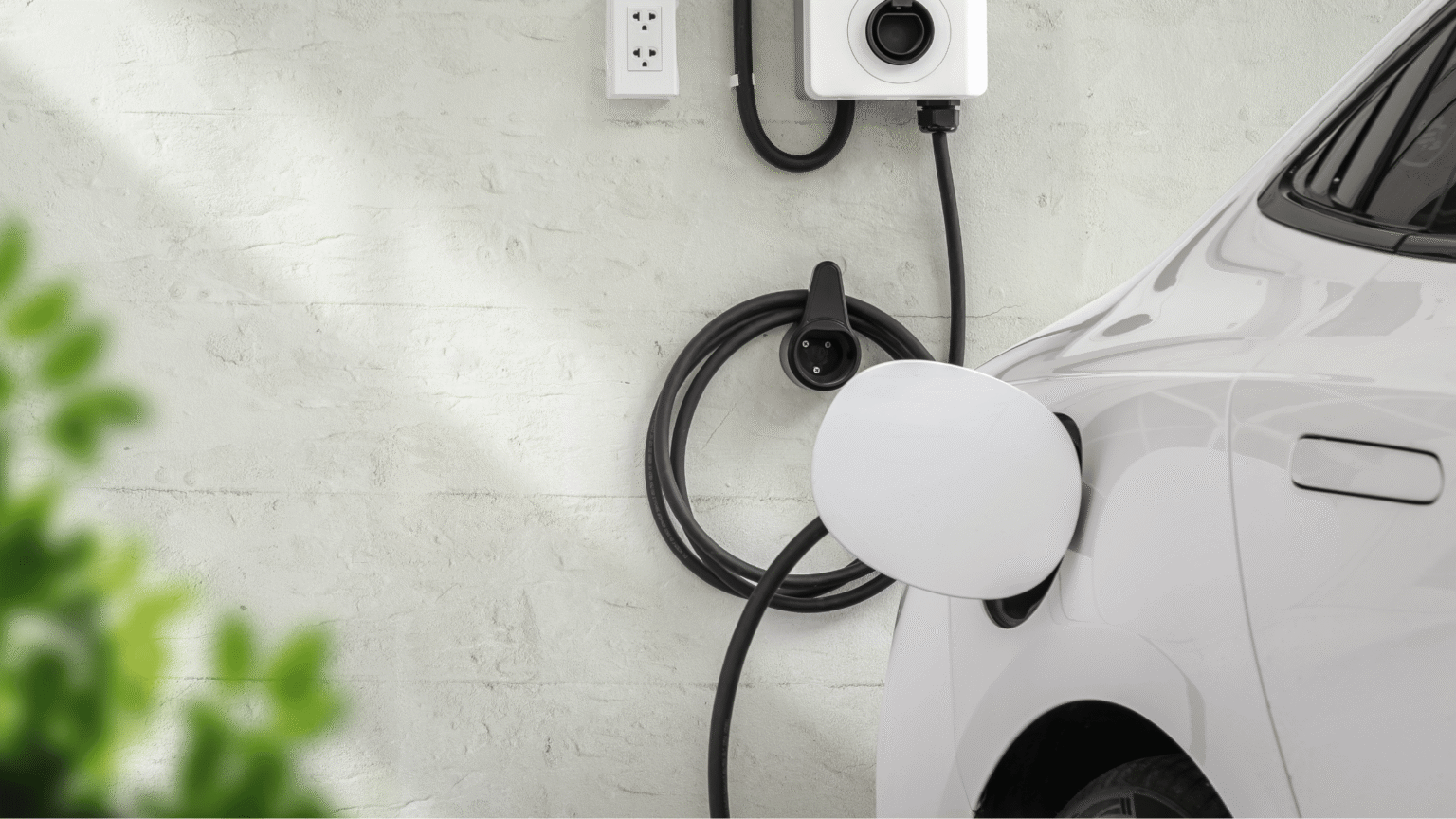
If you have a dedicated driveway or garage, installing a dedicated wallbox with a “tethered” cable (meaning the cable is permanently attached to the box) is the ultimate convenience. You simply pull into your driveway at the end of the day, plug the cable into your car, and walk away. By morning, you wake up to a fully topped-up battery, often utilising much cheaper off-peak overnight energy tariffs.
2. Destination Charging (The Invisible Top-Up)
Destination chargers are found where you park to do something else, such as supermarkets, cinemas, hotels, or gym car parks. These are usually “untethered” sockets, meaning you plug your own cable from your boot into the unit. Because you are already spending an hour or two shopping or exercising, these chargers add valuable miles silently in the background.
3. Public Rapid Charging (The Pit Stop)
When you are embarking on a long-distance motorway journey that exceeds your car’s total battery range, you will use public rapid or ultra-rapid chargers. These are large units located at service stations or dedicated hubs. They have their own thick, heavy cables attached to them. Operating at high speeds, they can boost your battery from 10% to 80% in as little as 20 to 40 minutes.
Your Quick Start EV Checklist
Before you set off on your first major trip, take five minutes to go through this simple checklist to ensure a completely stress-free experience:
- Check your vehicle capabilities: Many EVs now have built-in route planners to help you plan your route, with charging stations along the way. They also allow you to set an ‘arrival’ charge, for example, you want to go from London to Scotland, and when you get to Manchester, you want 20% battery. The route planner will factor in not only navigation but also charging hubs along the way where you need to stop.
- Download a route-planning app: Platforms like Zap-Map or A Better Routeplanner (ABRP) show you exactly where chargers are and whether they are currently working or occupied.
- Keep your cables handy: Ensure your charging cable is packed safely in the boot but also accessible; don’t put it under all your campaign gear; this is what you will use at most local and supermarket chargers.
- Set your vehicle’s charge limit: For daily driving, set your car’s maximum battery charge level to 80%. This preserves long-term battery health while leaving plenty of range for normal routines. Save 100% on charges for long road trips.
- Locate your emergency release: Familiarise yourself with your car’s manual to know where the physical charging cable release button or lever is, just in case a public charger ever locks.
Embrace the Change
Switching to an electric vehicle is less about learning a complex new skill and more about enjoying a smoother, quieter, and cleaner driving experience. By letting go of old petrol station habits and adopting a simple plug-and-go mindset, you will quickly discover that running an EV fits effortlessly into your life. If you want to see how much it will cost to charge your vehicle check out our car charger calculator, see for yourself.