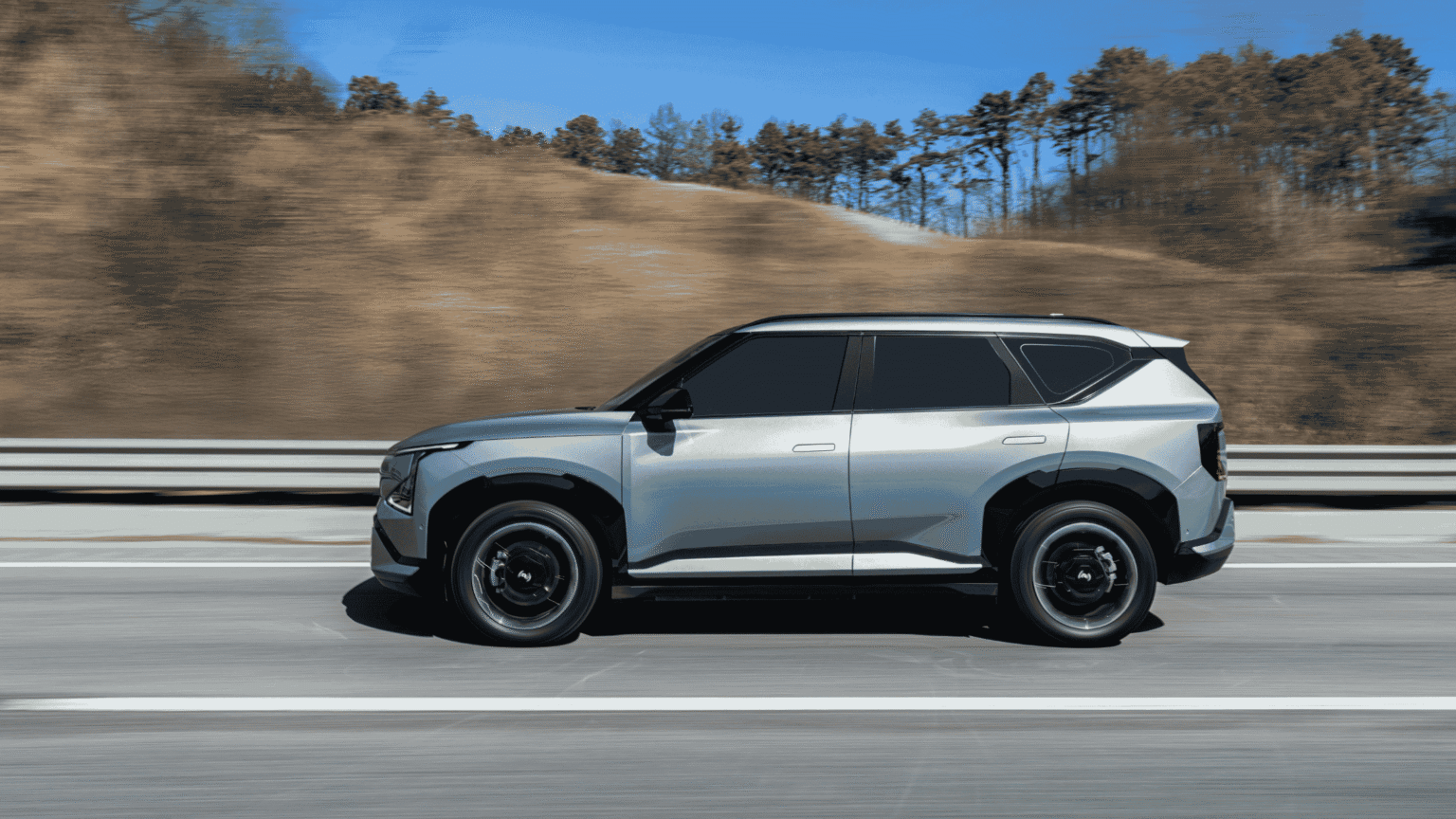
When looking for an EV or thinking of making the switch you might hear the phrase “range anxiety”. It is the modern driver’s version of keeping one eye glued to an empty fuel light, the nagging fear that your car’s battery will die mid-journey.
A few years ago, that fear was somewhat justified. Early mainstream electric cars were city-focused runabouts with real-world ranges that struggled to clear double digits on a cold winter day. But times have changed, manufacturers have listened to their customers and made the necessary changes to vehicles. Modern electric vehicles are no longer just eco-friendly second cars meant for the weekly shop; they are highly capable, long-distance machines.
Let’s look at exactly how far today’s EVs can travel, how those numbers compare to real-world driving habits, and why your weekly routine might be far more compatible with an EV than you think.
The Reality of Modern EV Ranges
When discussing EV range, you will usually see two different figures: the official WLTP range (Worldwide Harmonised Light Vehicles Test Procedure) and the real-world range.
WLTP is the laboratory standard used in the UK and Europe to test vehicle efficiency. While it provides a fantastic benchmark for comparing cars side-by-side, real-world driving, involving highway speeds, cold British winters, and air conditioning, typically reduces these figures by 10% to 20%.
To give you a clearer picture of how some of the UK’s favorite electric models perform, here is how their official and real-world ranges stack up:
| Electric Car Model | Official WLTP Range | Estimated Real-World Range | Best Suited For |
| Kia EV9 | Up to 360 miles | ~275 miles | Families needing a spacious 7-seater |
| Hyundai IONIQ 6 | Up to 382 miles | ~305 miles | Sleek commuting with ultra-fast charging |
| Tesla Model 3 Long Range | Up to 466 miles | ~360 miles | Tech-forward drivers and motorway cruisers |
| BMW iX3 (Neue Klasse) | Up to 500 miles | ~375 miles | Premium SUV buyers wanting maximum range |
| Mercedes-Benz EQS | Up to 511 miles | ~425 miles | High-mileage executive luxury |
These figures show that even if you choose a standard family vehicle, you are looking at several hours of continuous driving before you need to think about plugging in.
Range vs. The Average UK Daily Commute
While seeing a “300-mile range” on paper is reassuring, it is much more impactful to look at how that matches up with our actual day-to-day driving habits. Many drivers shopping for a car evaluate it based on the once-a-year, 400-mile road trip. But designing your daily transport choices around a single annual trip is not smart.
According to data from the Department for Transport and national commuting surveys, the vast majority of UK car commutes are surprisingly short. Over 75% of UK commuters travel less than 10 miles each way to work. When you factor in school runs, grocery shopping, and social visits, the average daily driving distance for a UK motorist sits comfortably under 30 miles.
The Once-a-Week Charge
If we take that average daily mileage of 30 miles and apply it to a typical modern electric car with a conservative real-world range of 250 miles, the math speaks for itself:
Weekly Mileage = 30 miles/day x times 7 days = 210 miles
250 miles (Real-World Range) – 210 miles (Weekly Usage) = 40 miles remaining
This means that the average British driver can complete an entire week of commuting, errands, and leisure trips on just a single charge, with plenty of safety buffer left over. Add that to the fact that you can charge your vehicle at home, under an overnight tariff, and you can cut your fuel/charge bill by more than half.
What Actually Affects Your EV Range?
Just like a petrol or diesel car uses more fuel when you drive fast or carry heavy luggage, an electric car’s efficiency changes based on real-world conditions.
1. Temperature and the Seasons
Cold temperatures slow down the chemical reactions inside the lithium-ion cells, temporarily reducing their capacity, that along with having the heating on could see a 15% to 20% drop in maximum range compared to summer.
2. Speed and Aerodynamics
Driving at 70 mph on the motorway requires fighting significant aerodynamic drag without many opportunities to regenerate energy, which uses power faster.
3. Driving Style
Aggressive acceleration drains an electric battery quickly. Smooth, anticipatory driving allows the car to utilize regenerative braking efficiently, which extends your range.
Rapid Charging Infrastructure
Even if you do decide to tackle a long-distance road trip, range anxiety is quickly becoming a thing of the past thanks to the growth of the UK’s ultra-rapid charging network.
Modern EVs do not just go further; they charge significantly faster. Many new models can accept rapid DC charging at speeds of 150kW to 350kW. This means you can add 100 to 150 miles of range in just 10 to 15 minutes, about the time it takes to grab a coffee, stretch your legs, and use the services.
With major charging hubs strategically placed along all primary motorways, long-distance driving is no longer about worrying if you will make it; it is simply about timing your natural rest breaks to align with a quick top-up.
Overall, the range anxiety that used to be at play is more of myth now than it used to be. If you want o see the costing of charging, at home or on the road