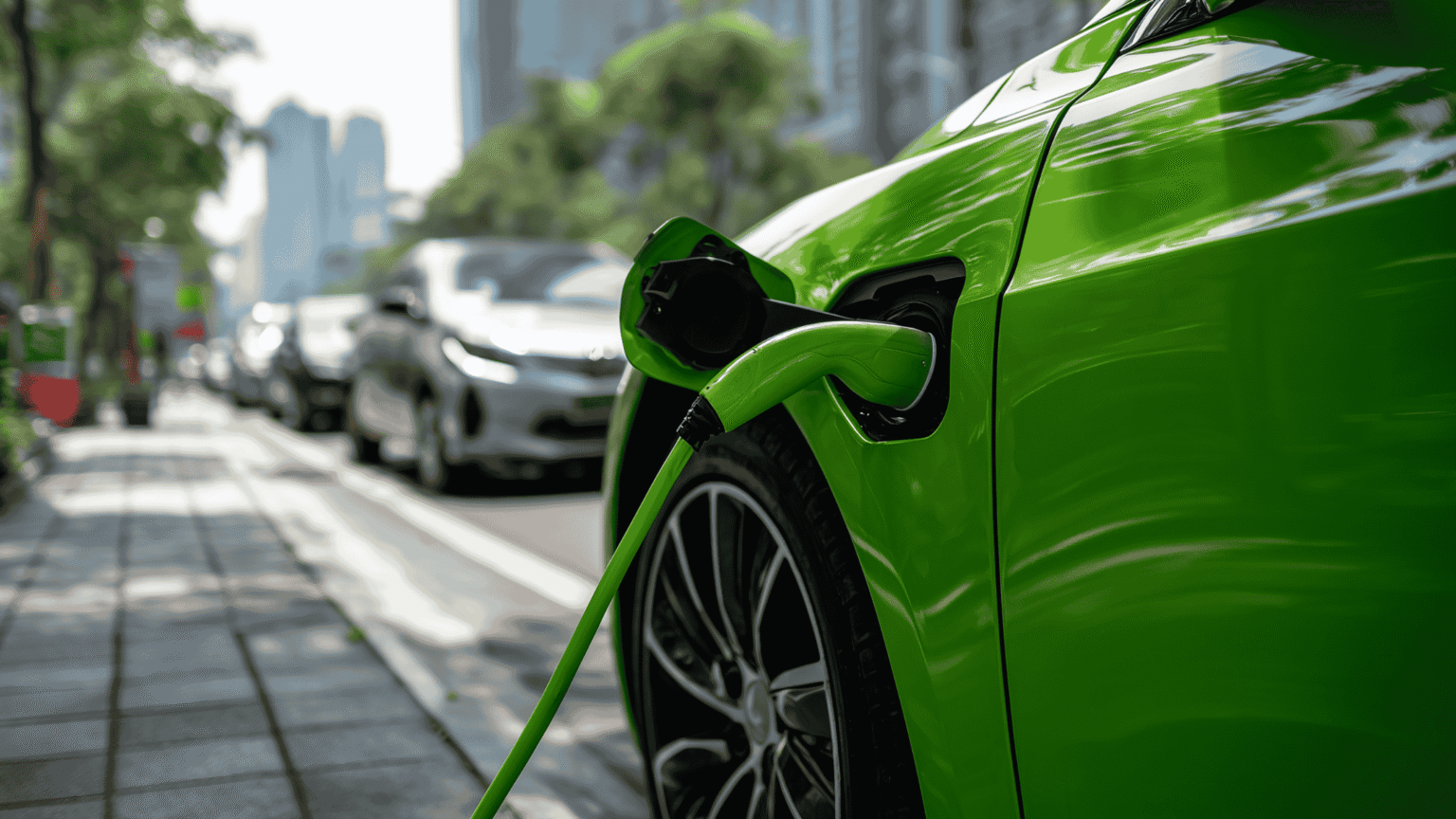
2030 is now approaching quickly, a time when no new Internal Combustion Engines (ICE) will be sold based on the new law by the UK government. The landscape is quickly changing, and so are the types of technology that power new vehicles and whilst the automotive industry is gradually moving toward battery-powered electric vehicles (BEVs) the industry has also created a transitional engine referred to as the Hybrid.
This guide is here to help you understand what the various acronyms mean, how they work and what may be best suited to your needs.
What is a BEV?
BEV stands for Battery Electric Vehicle, which is when the battery draws power from a pack of rechargeable batteries in the engine. In the case of four-wheel drive, some BEVs have two motors, one for each axle; however, there is no conventional petrol or diesel engine in either case. It is a clean mode of transportation because it runs solely on electricity and does not have a tailpipe that releases CO2 gas emissions.
What is a HEV?
HEV stands for Hybrid Electric Vehicle. This is something that a lot of people are most familiar with self-charging hybrids, where a regenerative braking system generates electricity that is stored in a small battery when the driver applies the brakes. Hybrid vehicles typically can be driven 3 ways:
- Solely by an electric motor
- An internal combustion engine (ICE) and electric working together
- The combustion engine, which is typically a conventional ICE that is typically fuelled by petrol.
What is a MHEV?
MHEV stands for Mild Hybrid Electric Vehicle. As a partial solution, MHEVs are the most recent spin-off from the hybrid. A small motor, rather than actually powering the vehicle, is used in these vehicles to give the engine a little boost when it’s needed, like when setting off from a standing start. This sort of cross breed is likewise called a 48V hybrid since it typically utilises a 48 volt battery to supplement the engine.
Due to concerns about rising CO2 levels, new hybrid cars will not be sold in the UK after 2035 as they were never intended as a long-term solution. This is because unlike an electric vehicle with a full battery, hybrids still produce carbon dioxide through the ICE part of the engine that is used. Although they are cleaner than full ICE vehicles, their operating costs are higher and they are not as environmentally friendly as full EVs.
What is PHEV?
PHEV stands for plug-in hybrid electric vehicle. Similar to a self-charging hybrid, a PHEV charges the batteries that power an electric motor through regenerative braking. However, in contrast to a self-charging hybrid, a PHEV can also be charged by plugging into an electric socket.
The car has a relatively short electric-only range of between 20 and 30 miles due to its small battery pack, however new technology in some newer models are able to achieve a pure electric range of up to 71 miles.
Ideally PHEVs are best utilised by using the EV side of the range daily to maximise efficiencies, however some people like having PHEVs as they have an engine to fall back on for longer journeys or to get them to their next charge point to re-charge the EV battery for the next journey.
Which electric vehicle should I consider?
Switching to a battery electric vehicle (BEV) is the best option in terms of longevity. If the majority of your trips in your car are short, ranging from 75 to 125 miles, or you rarely travel more than 200 miles without stopping. In addition to being the most logical and environmentally responsible choice, it will also be the most cost-effective option.
A plug-in hybrid, on the other hand, is your best option if you really think you can’t go completely electric right now, however, reselling the car in the future might pose you with an issue due to the new government laws.
Why not look at our most recent car and van leasing offers or browse our special offers to take advantage of a great deal that we have currently available?